
On May 11, the APEC Economies’ Innovation Policy and International Cooperation Forum was held, jointly organized by the Policy Research Center for Innovation and Technology of The Hong Kong Polytechnic University and The Hong Kong Polytechnic University-Qianhai Disruptive Technology and Innovation Research Center. The forum brought together leading scholars and industry leaders in science and technology innovation across the Asia-Pacific region, with a focus on innovation policies, international collaboration, and future development pathways.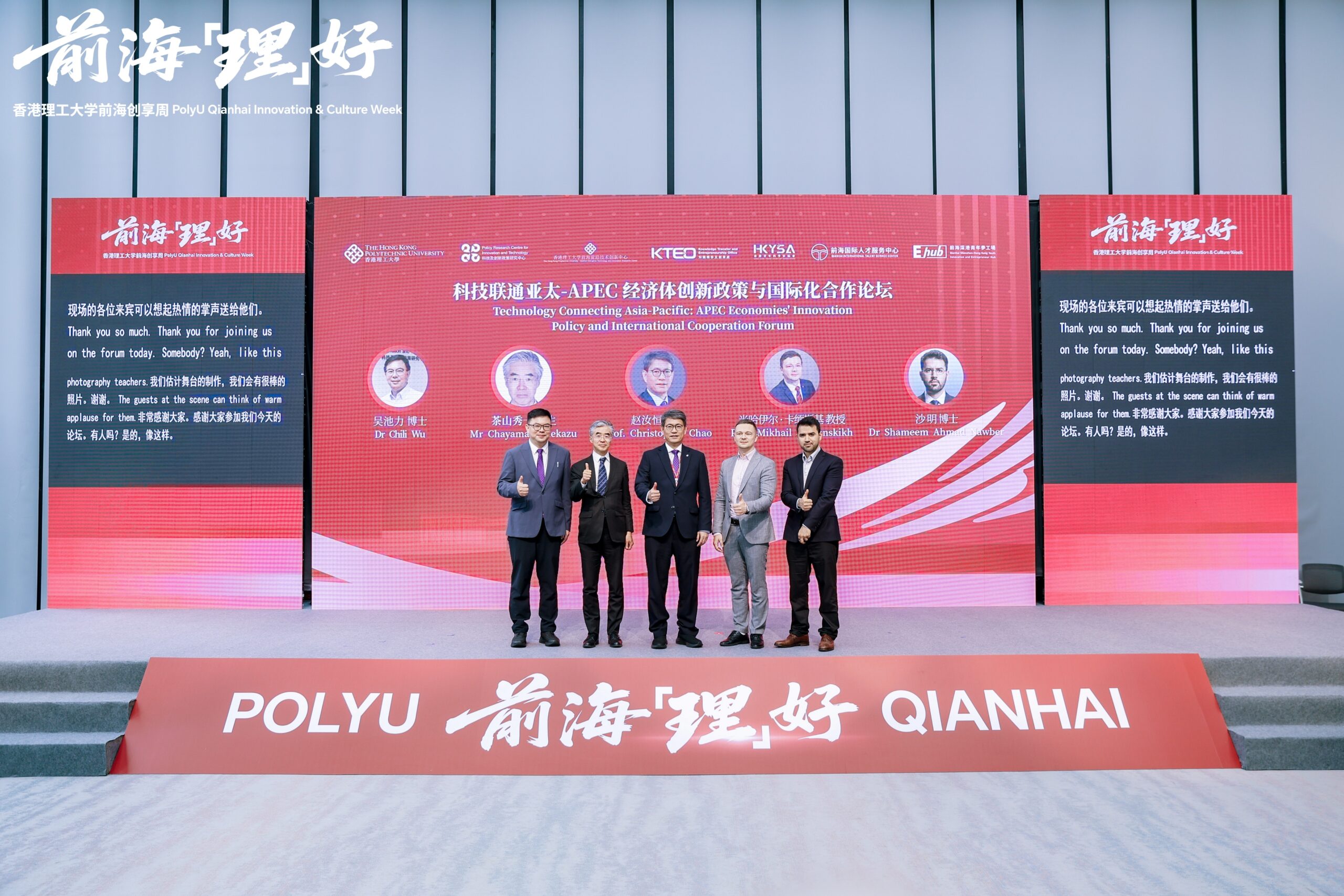
Attendees included Prof. Christopher Chao (Hong Kong Polytechnic University), Prof. Oleg Plekhov (Russian Academy of Sciences), Prof. Mikhail Sergeevich Kamenskikh (Perm State University), Mr. Chayama Hidekazu (Japan Science and Technology Agency), and Dr. Shameem Ahmad Nawber (IDEAS-BRICS, and Associate Editor of AI & Innovation (AI²)). The forum was chaired by Dr. Wu Chili (Hong Kong Polytechnic University).
In his opening remarks, Prof. Chao noted that scientific and technological innovation has become a core driver of global economic growth. He highlighted that deepening regional cooperation and promoting knowledge flow and policy alignment are among the key challenges currently facing APEC economies, and that cross-regional collaboration can help connect talents, industries, and markets to drive shared prosperity across the Asia-Pacific region.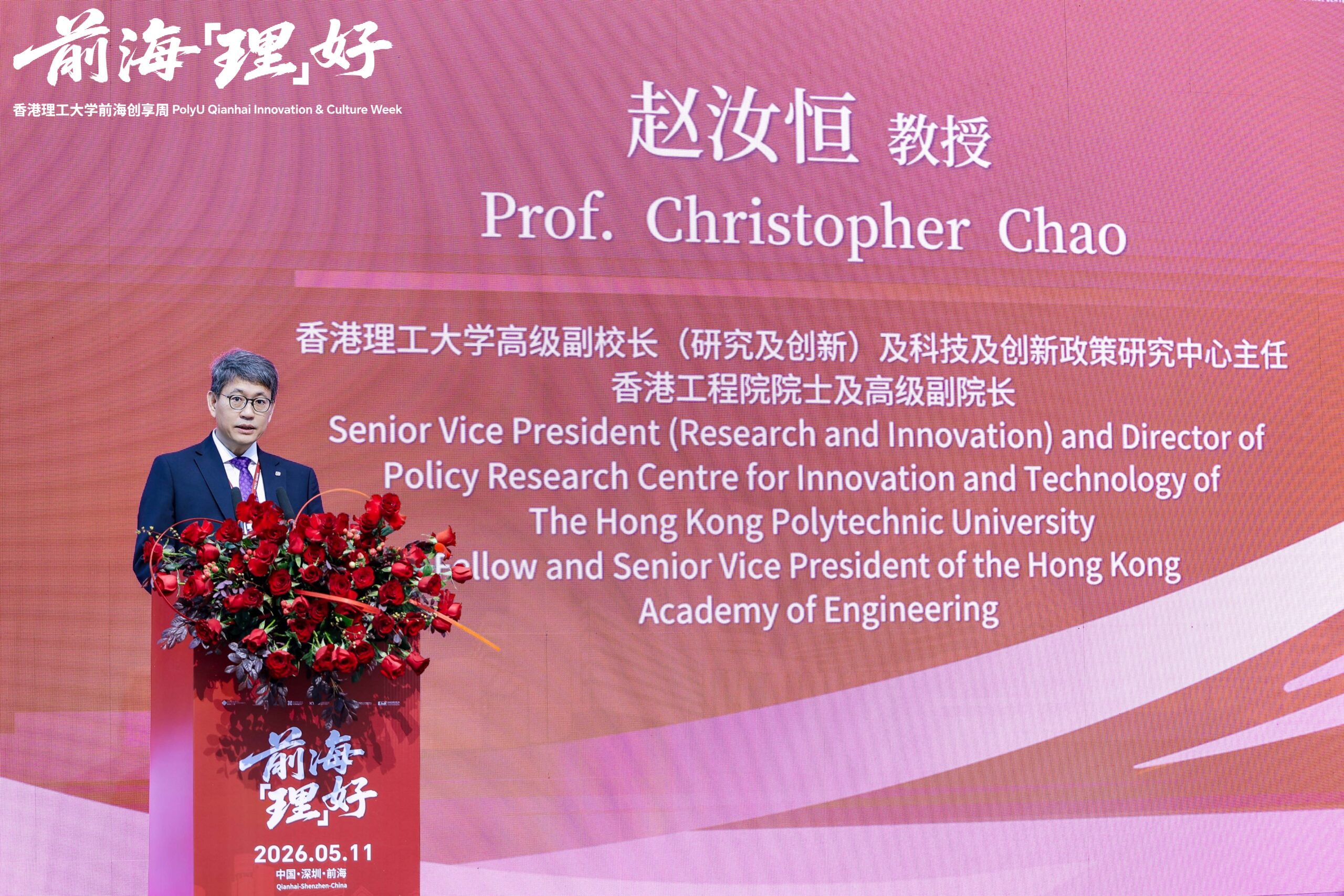
Qu Hongbin, Chief Economic Advisor to Shenzhen Qianhai Authority, described Qianhai as a major strategic platform for China’s reform and opening up and a core hub for Shenzhen-Hong Kong cooperation and technological innovation. He outlined plans to deepen cooperation with PolyU in cross-border technology transfer, entrepreneurial incubation, and think tank development, with the goal of positioning Qianhai as an important science and technology innovation hub in the Asia-Pacific region.
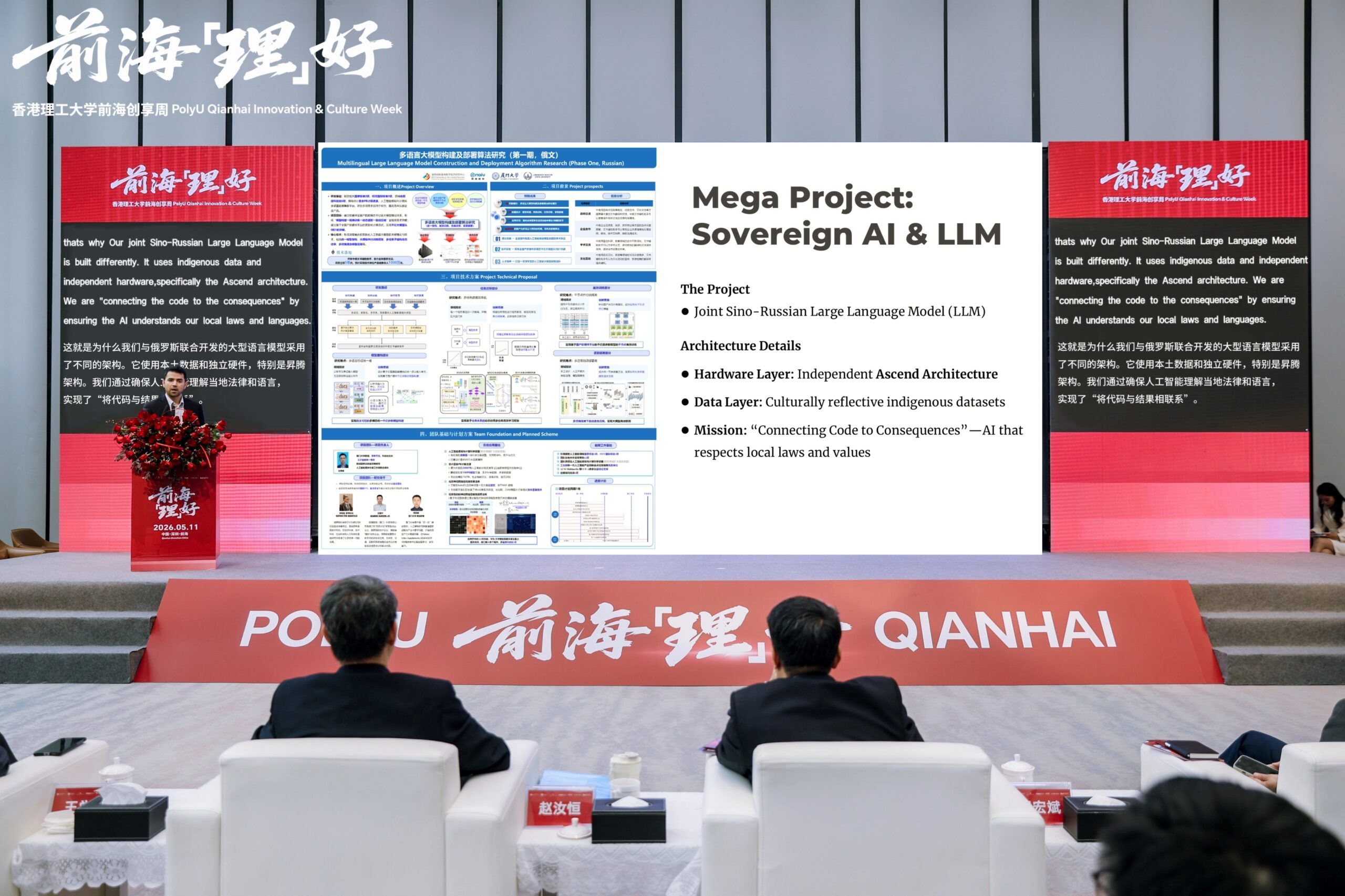
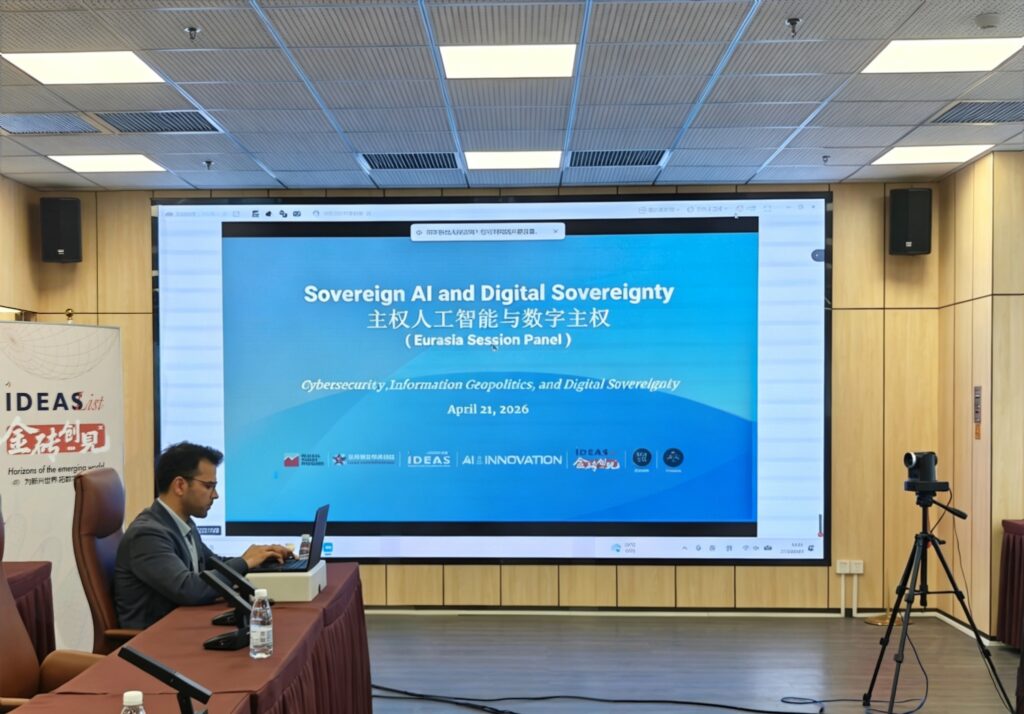
The keynote speech focused on digital sovereignty as a strategic dimension of innovation cooperation in the APEC region. It introduced the Digital Sovereignty Index (DSI) assessment framework, jointly developed by IDEAS-BRICS and Global South Academic Forum (GSAF) of East China Normal University. The framework is structured around four pillars — data, infrastructure, governance, and capability — and maps economies along a five-level maturity model ranging from “initial” to “independent.” The presentation identified the “hardware gap” as a primary area for cooperation among APEC economies, and discussed the risks of developing countries remaining “passive users” subject to digital colonialism and standard monopoly. The IDEAS model was presented as an approach to converting digital capabilities into deployable hardware and software assets, with multilingual large model development highlighted as a key entry point toward sovereign AI.
The roundtable discussion, chaired by Dr. Wu, examined the mechanisms and policy arrangements different economies use to promote cross-border exchange of science and technology talent. Speakers drew on their respective national and regional experiences, and the conversation extended to coordinated pathways for APEC regional innovation policy and emerging trends in digital economy development.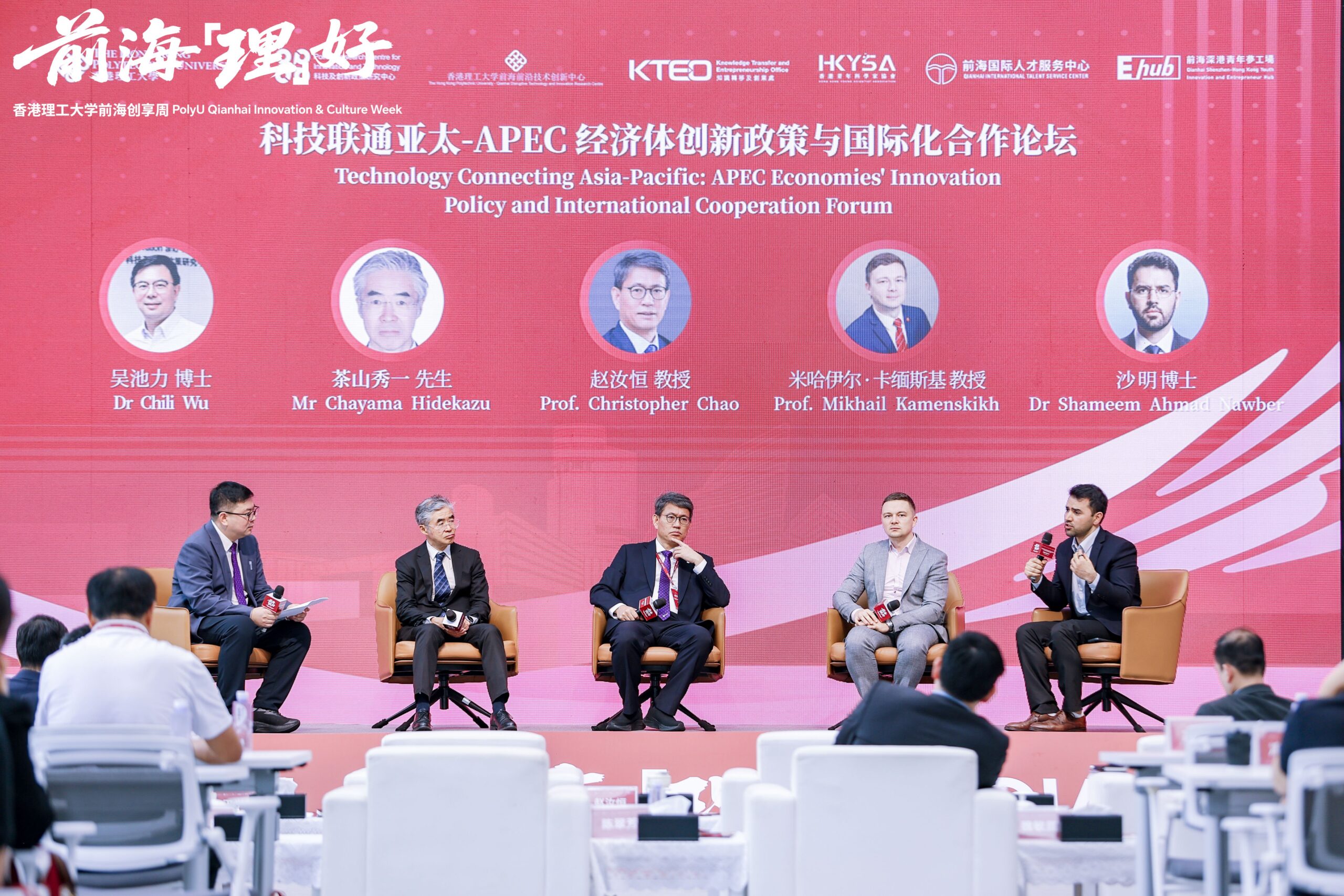
The forum addressed the theme of “Technology Connecting Asia-Pacific,” building a multilateral platform for cross-regional dialogue. Discussions converged around cross-border talent mobility, international scientific research collaboration, and digital sovereignty, with participants exploring shared frameworks for policy coordination in the APEC innovation space.

 By WanyuLiao
No comment yet, add your voice below!