
On March 20, Institute for Digital Economy and Artificial Systems (IDEAS-BRICS), Global South Academic Forum (GSAF), and Global South Insights (GSI) jointly hosted the first session of the “Sovereign AI and Digital Sovereignty” seminar series. The series of seminars aims to deepen research within the “Sovereign AI and Digital Sovereignty” theme collection of the journal AI and Innovation (AI²). This seminar broke away from the traditional lecture format and took the form of in-depth dialogue. It focused on the core issue of how countries in the Global South can build and defend their digital sovereignty against the backdrop of current geopolitical dynamics and technological monopolies.
Experts in attendance included Xiong Jie, secretary-general of the Global South Academic Forum; Bappa Sinha, chief technology officer of Virtunet Systems; Zheng Ge, professor at KoGuan School of Law of Shanghai Jiao Tong University; and Xiao Yu, executive secretary-general of IDEAS-BRICS and executive editor-in-chief of AI². They offered insights from multiple angles, including data value extraction, national and class interests, legal and technical frameworks, and empirical research, providing highly valuable innovative approaches to digital infrastructure development in developing countries.
At the outset of the seminar, Dr. Shameem A. Nawber, Deputy Director of IDEAS, delivered an opening statement as moderator, outlining the core focus and main themes of the event. He began by providing a detailed introduction to AI and Innovation and its “Sovereign AI and Digital Sovereignty” theme collection, as well as their four core research directions. He clarified the central purpose of this seminar series: to facilitate interdisciplinary intellectual exchange prior to formal academic research and to establish a platform for dialogue from diverse perspectives. At the same time, he provided a clear definition of the term “Global South” as used in this discussion, referring to developing countries and regions that, due to historical and structural factors, have had relatively limited participation in the formulation of global digital governance norms and have started later in the development of digital technology infrastructure.
This seminar is held in a hybrid format of online and offline, with participants including scholars, policymakers, and industry experts from multiple countries and regions around the world. This Asian session is the first event in this series of seminars, and sessions for Eurasia, Africa, Latin America, and other regions will be held successively, covering the major regions in the Global South.
The seminar was divided into seven main topic modules, and the discussion process was progressive: Firstly, it focused on defining the core concepts (the first topic); then, it successively explored the quantitative measurement of digital sovereignty (the second topic), legal regulations and governance system construction (the third topic), infrastructure construction and open-source technology paths (the fourth topic), and digital governance analysis from a geopolitical perspective (the fifth topic). The fifth topic was originally intended to focus on Southeast Asia, but due to the temporary absence of the Malaysian expert, the core of the discussion shifted to using the practices of India and China as main cases, while also taking into account the experience sharing of other relevant countries. The subsequent topics focused successively on the planning of future research agendas (the sixth topic), and finally, a closing summary was conducted in the form of quick questions and answers (the seventh topic), inviting all the experts to propose one cognitive misconception that urgently needs correction and one practical action suggestion regarding the current situation of digital sovereignty practices in the Global South countries.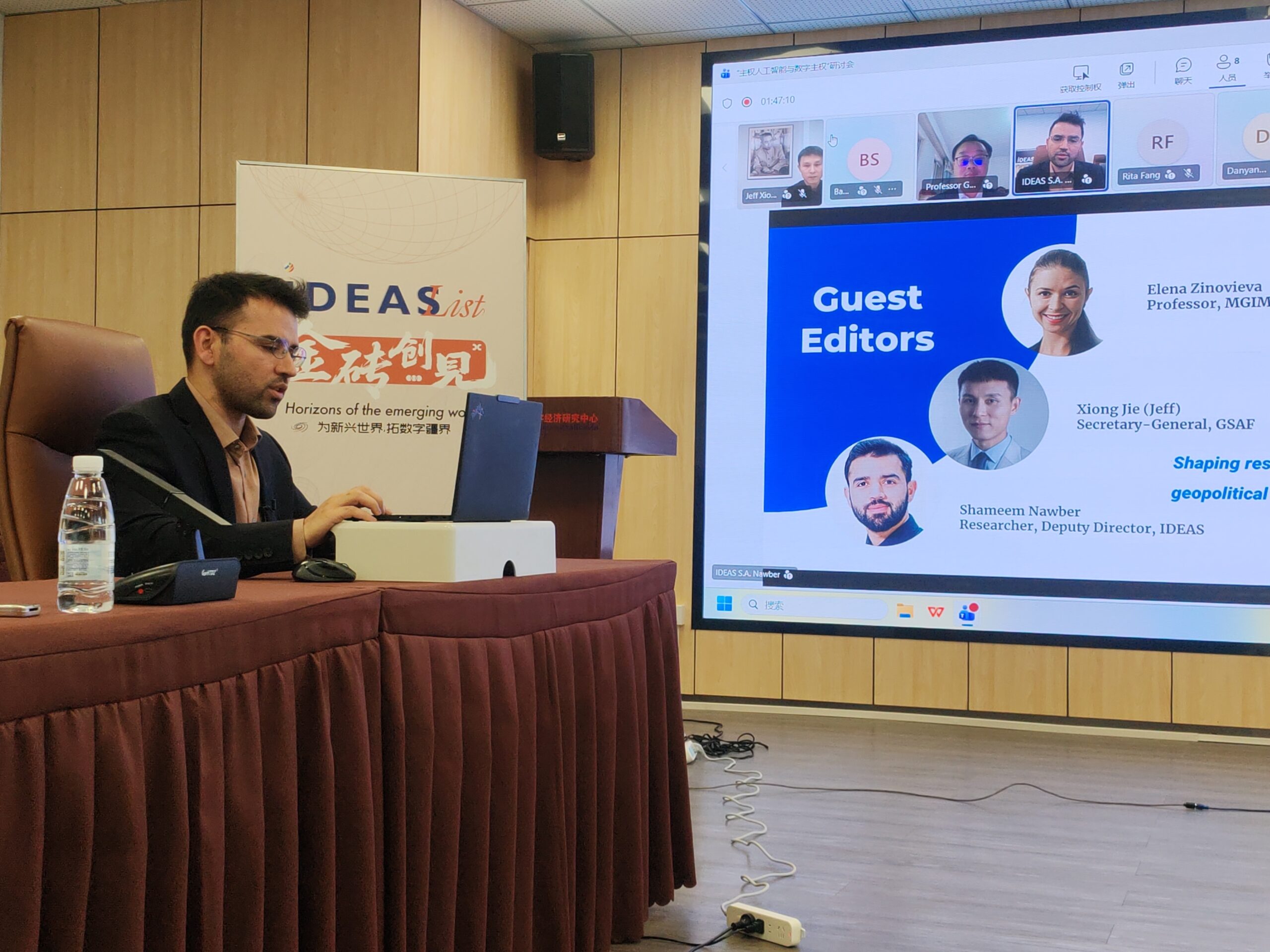
Xiong Jie: Data Is an Asset; Calls for Establishment of “Digital Sovereignty Index” and Alternative Solutions
Xiong Jie first pointed out that in today’s era of AI, data has become a high-value resource capable of being monetized (much like “new oil”). However, countries in the Global South face a severe challenge: their precious data resources are being extracted without compensation by a handful of U.S. tech giants and converted into assets, while the people of the data-generating nations fail to benefit from the development of the digital economy—and their national security and information sovereignty are even held hostage.
To help countries in the Global South clearly define and measure the challenges they face, Xiong Jie introduced the “Digital Sovereignty Index (DSI)” developed by his team. He pointed out that while many countries attempt to restrict cross-border data flows through legislation, such controls are often ineffective without local data centers and infrastructure, and multinational giants (such as Google or Facebook) can easily force governments to compromise.
Xiong Jie emphasized that identifying shortcomings in digital sovereignty is not intended to assign blame, but rather to seek viable alternatives. Faced with Western technological monopolies, countries in the Global South cannot merely acknowledge the absence of underlying infrastructure; they must begin to consider how to leverage infrastructure solutions provided by China or open-source technologies to establish alternative technological pathways that truly serve their own interests. Furthermore, drawing on recent conflicts in the Middle East, he warned that overreliance on foreign hardware and communications equipment comes at a heavy cost in human lives, which once again underscores the urgency of digital sovereignty.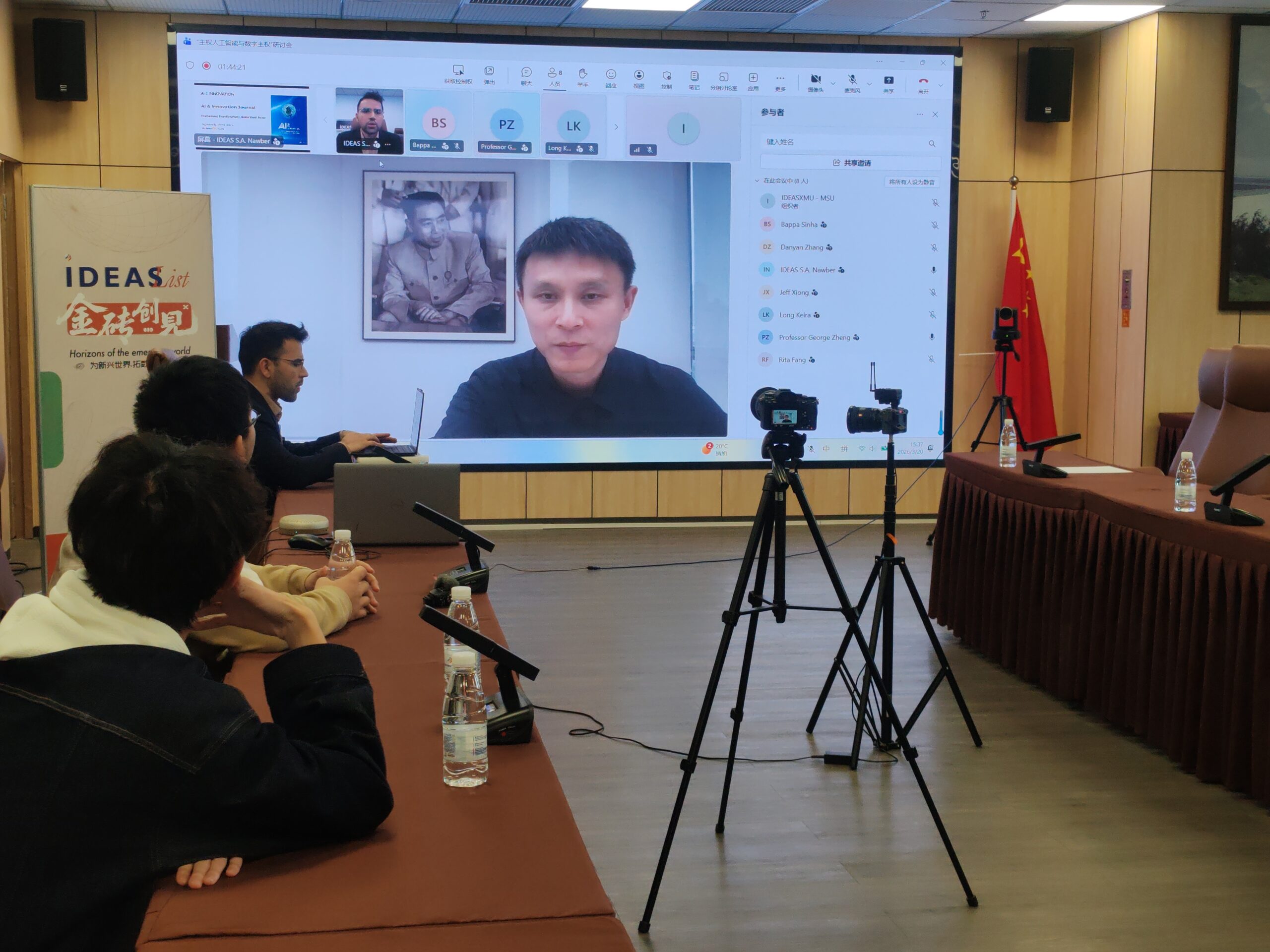
Bappa Sinha: Beware of “False Sovereignty”; Calls for Focus on Grassroots Independence and Open-Source Development.
Bappa Sinha, an expert from India, offered a critical perspective at the seminar. He sharply pointed out that when discussing digital sovereignty, it is essential to distinguish between “the sovereignty of the people” and “the sovereignty of the ruling class.” In many countries of the Global South, the ruling class often has not completely severed ties with Western systems; what they may be pursuing is merely a share of the pie from transnational giants (such as establishing joint-venture data centers or sharing profits), rather than achieving true technological independence.
Sinha used India’s digital payment system as an example to illustrate this “false prosperity.” Although India has established a domestic Unified Payments Interface (UPI) backend network, as much as 85% of the front-end payment applications are controlled by two U.S. companies. In terms of hardware manufacturing, while India has attracted a significant amount of mobile phone assembly business, the lack of core component manufacturing capabilities means that as assembly volumes increase, costs for imported components have actually skyrocketed, failing to genuinely enhance the country’s digital sovereignty. Furthermore, he noted that under immense pressure and threats from U.S. multinational corporations, India’s data localization laws—originally intended to safeguard national sovereignty—have ultimately been continuously weakened and compromised.
Sinha warned that the digital economy and the physical economy are now inseparable, and a lack of sovereignty poses a fatal threat to national security. For example, during the Russia-Ukraine conflict, Mastercard and Visa cut off services to Russia, causing the payment system to collapse instantly; in Iran, the Starlink network—which is not under government control—was used for espionage communications and intelligence infiltration. As a way out of this impasse, he suggested that developing countries should break free from the established narratives set by the World Bank and Western consulting firms, leverage the strengths of local engineers, secure government funding for domestic projects, and vigorously embrace open-source solutions to build digital infrastructure with independent agency.
Zheng Ge: Promoting the integration of law and technology and constructing a multi-dimensional digital sovereignty framework
Professor Zheng Ge started from the intersection of law and AI and systematically expounded on how countries should build sovereign AI. He proposed that the measurement of digital sovereignty should include four dimensions: control of technology and infrastructure (such as semiconductors and cloud platforms), data control (cross-border flow and storage), regulatory and normative control (such as privacy and AI ethical rules), and economic and strategic autonomy.
He pointed out that sovereign AI is not only a legal concept but also a combination of “physical foundation and superstructure.” China’s legislative practice in the field of AI provides a comprehensive sample: from the “Cybersecurity Law of the People’s Republic of China,” the “Data Security Law of the People’s Republic of China,” to the “Personal Information Protection Law of the People’s Republic of China,” and then to special administrative regulations on generative AI and recommendation algorithms, a complete legal guarantee system has been formed. However, he also emphasized that law cannot exist independently of technology and economic capabilities. The reason why China can implement strict supervision and resist external hegemony lies fundamentally in its strong manufacturing center position and complete innovation ecosystem. When foreign tech giants enter, the country needs to comprehensively consider national security and data localization and even prevent algorithm addiction control for teenagers through legal means.
Xiao Yu: Focusing on Meso-Level Empirical Research, Beware of the Risk of “Internal Sovereignty Cession” in Digital Governance
From an academic perspective, Xiao Yu directly addresses the core blind spot in current digital sovereignty theory—the disconnect between theoretical discourse and practical implementation. He argues that current research on digital sovereignty is trapped in a polarized dilemma: at the macro level, studies in international relations primarily focus on geopolitics and external sovereignty struggles, leaning toward theoretical macro-level discourse; at the micro level, research in the computer science field concentrates on technical security alignment and the optimization of technical metrics, lacking integrated thinking regarding national governance; meanwhile, there is a severe shortage of meso-level empirical research that bridges theory and practice.
Addressing this gap, he poses a fundamental question: When artificial intelligence systems are deeply integrated into government public governance and critical infrastructure operations, do these technologies actually strengthen the coherence of bureaucratic governance and enhance governance efficiency, or do they lead to the fragmentation of public governance accountability mechanisms and weaken a nation’s autonomous governance capabilities?
He emphasized that for countries in the Global South, digital sovereignty is by no means a vague ideological slogan but rather a pragmatic principle of survival concerning national security and development. Lessons from the Middle East have fully demonstrated that the essence of true digital sovereignty lies in possessing the core capability to independently design the underlying models, conduct security audits, and iteratively upgrade digital infrastructure at the local level. Only in this way can critical sectors—such as hospitals, power grids, and financial systems—be safeguarded against threats of external technology supply disruptions and remote control during sudden shifts in the geopolitical landscape.
Building on this foundation, he innovatively proposed the core concept of “internal sovereignty transfer,” thereby refining the dual-layer theoretical framework of digital sovereignty: digital sovereignty encompasses not only external sovereignty—which involves resisting external technological monopolies, data colonization, and external interference—but also internal sovereignty, which involves a nation’s autonomous control over its internal digital infrastructure and core algorithms.
He further warns that even if a country achieves 100% domestic production of hardware and software, if the governing body cannot grasp the underlying logic of algorithms and lacks the capacity for autonomous system operation, maintenance, and iteration—instead relying entirely on external suppliers to complete system updates, troubleshooting, and technical debugging—the scope for formulating and implementing public policy will be locked in by the technical architecture and constrained by algorithmic black boxes. This ultimately leads to the implicit transfer of state governance authority and the loss of absolute control over the internal digital governance system—a new, latent risk facing national sovereignty in the digital age.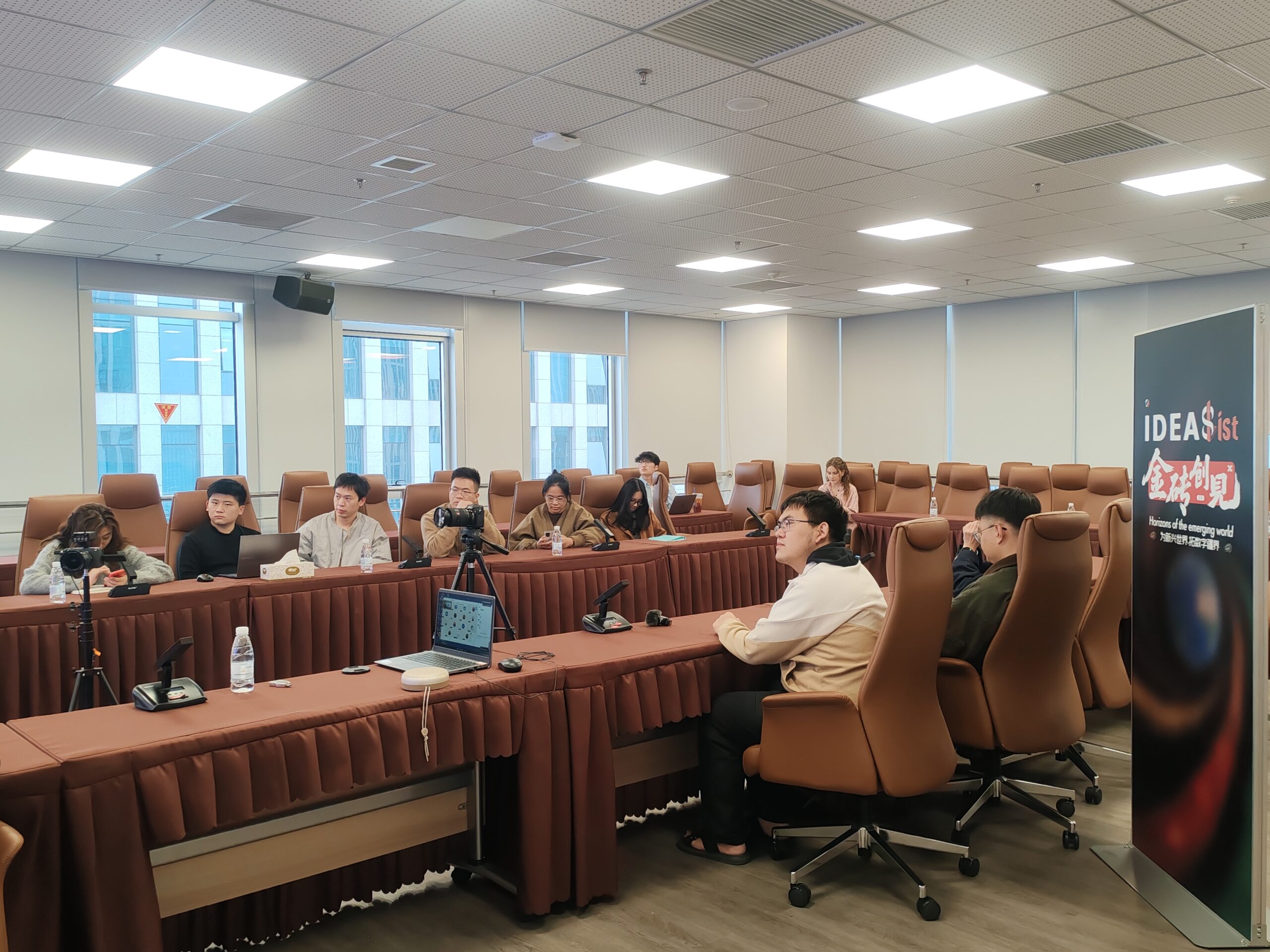
Conclusion
This seminar has pointed out the direction for the countries in the Global South to achieve digital breakthroughs in the era of AI. As experts agree, digital sovereignty is not a single project; it requires all countries to make comprehensive strategic arrangements in areas such as data governance, technological infrastructure development, legal rule construction, and local talent cultivation. The countries in the Global South urgently need to break away from path dependence and, through South-South cooperation and exploration of open-source alternatives, truly code the sense of sovereignty into the underlying architecture of the digital economy, thereby gaining the true strategic initiative in future digital competitions.
This topic is precisely the core direction that the theme collection “Sovereign AI and Digital Sovereignty” of the journal AI and Innovation has been continuously focusing on. This theme collection calls for high-quality papers from global scholars, policy researchers, and industry practitioners, encouraging interdisciplinary perspectives and empirical research. For details, please click the following link to visit the journal homepage: https://onlinelibrary.wiley.com/journal/30673941.
The entire seminar was recorded, and the complete video will be edited and released on our media platform. Interested readers are welcome to watch it: for the Chinese platform, please follow “数智金砖,” the same name on all platforms; for the English platform, please follow Multipole.


 By WanyuLiao

No comment yet, add your voice below!