
- Background
In response to the call for papers for the theme collection of “Sovereign Artificial Intelligence and Digital Sovereignty” under the journal AI & Innovation (AI2), and with the aim of strengthening both the academic rigor and regional diversity of the forthcoming publication, the Institute for Digital Economy and Artificial Systems (IDEAS-BRICS) and the Global South Research Center of East China Normal University (China) have jointly decided to launch a four-month series of offline and online seminars as the primary academic platform supporting this theme collection.
The first session (Asia-focused) was held successfully on March 20 and adopted an interactive dialogue model to bring interdisciplinary perspectives into direct conversation. The next session will focus on Eurasia.
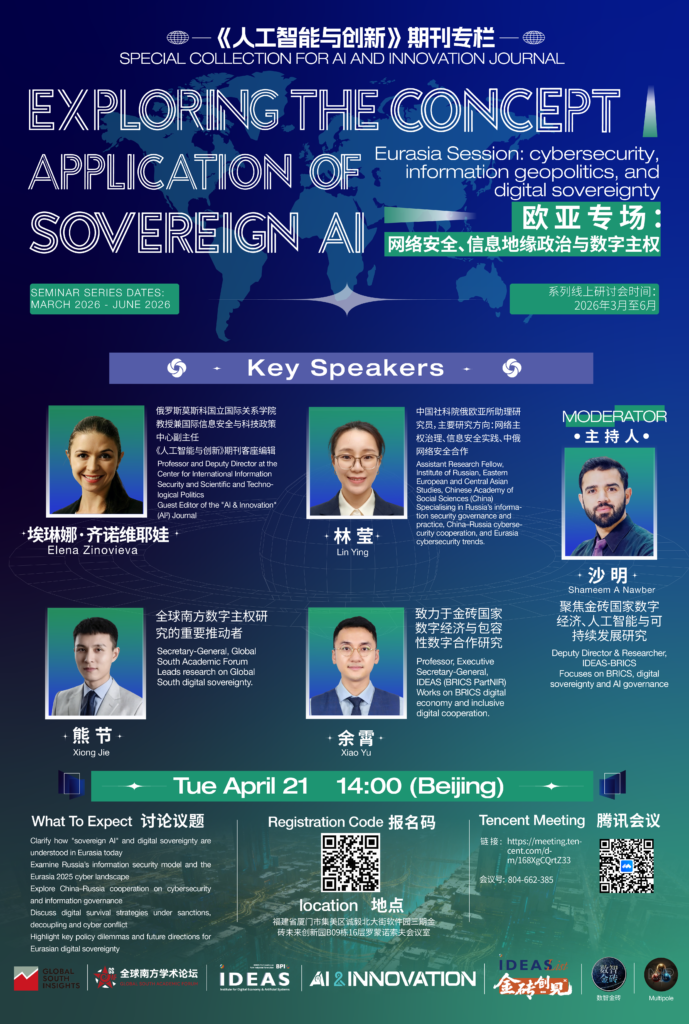
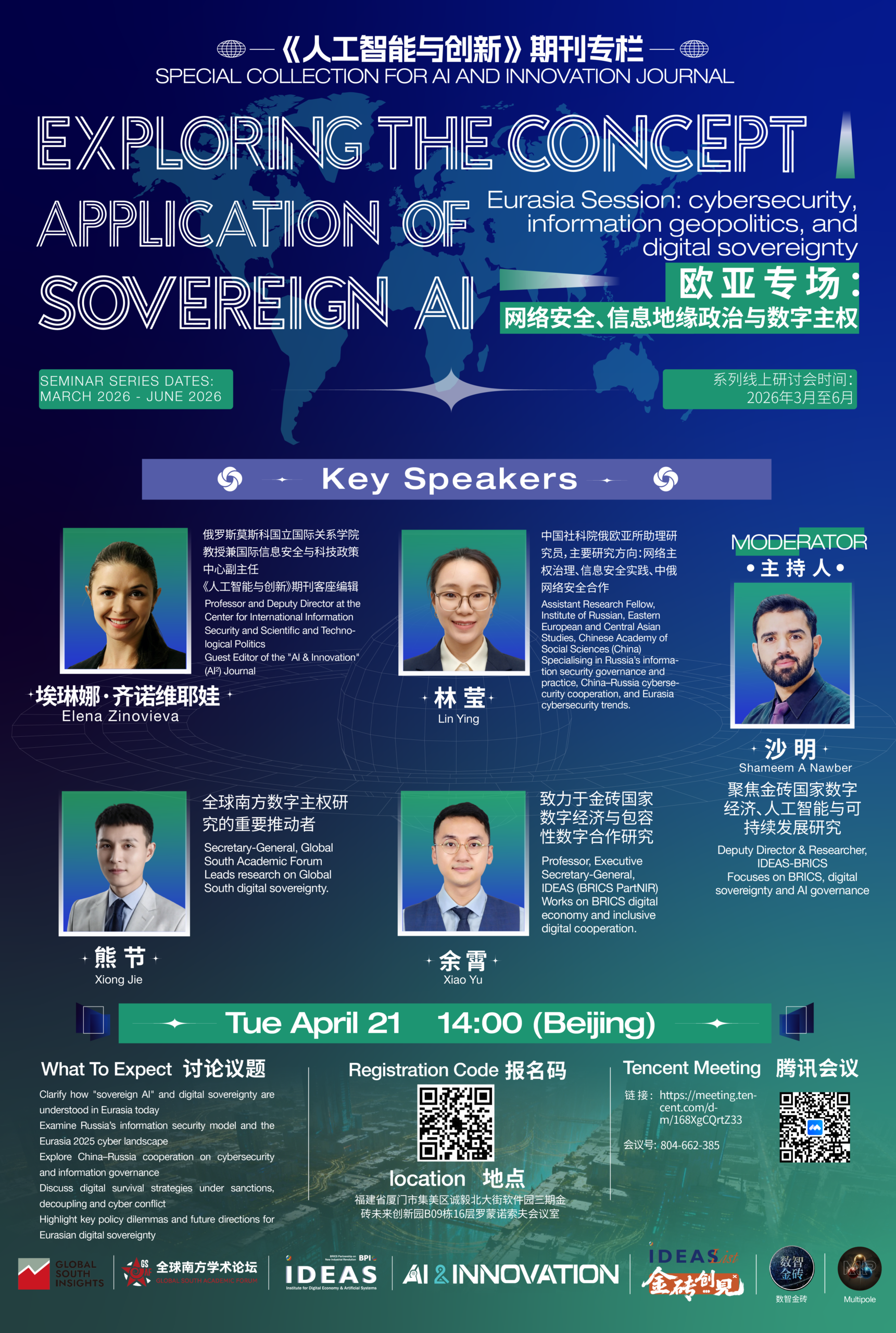
- Time, Location and Registration Code
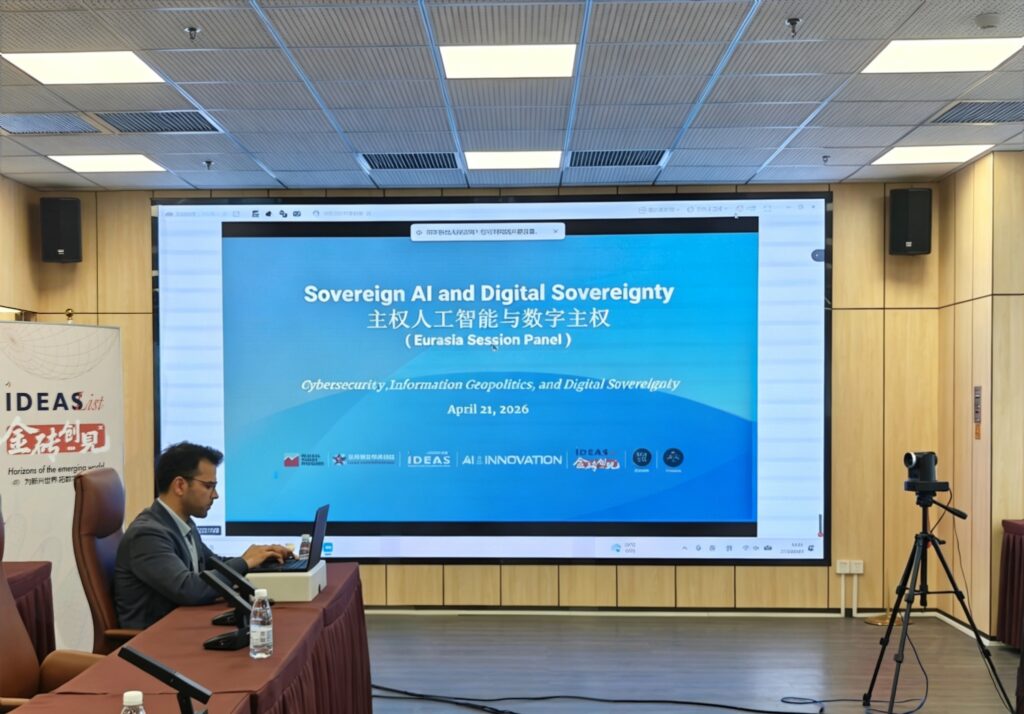
Time: April 21, 2026, 2:00 PM
Location: Lomonosov Conference Room, 16/F, Building B09, BRICS Future Innovation Park, Software Park Phase III, Chengyi North Street, Jimei District, Xiamen, Fujian, China
If you plan to attend in person, please scan the QR code below to register.
Tencent Meeting Link: https://meeting.tencent.com/dm/168XgCQrtZ33
ID: 804-662-385
QR Code:
- Session Information
- The Theme Collection: “Sovereign AI and Digital Sovereignty”
“Sovereign AI and Digital Sovereignty” is one of the theme collections under AI & Innovation (AI2). The rapid advancement of artificial intelligence has intensified debates over digital sovereignty worldwide. Many nations face structural predicaments in achieving digital sovereignty. This theme collection examines how different nations experience and respond to these challenges. By establishing sovereign AI and digital sovereignty as legitimate fields of inquiry, this collection aims to provide critical analysis and evidence-based policy recommendations for navigating an increasingly contested digital landscape.
- Series of Seminars
From March to June 2026, we will focus on one specific region each month (Asia, Eurasia, Africa, and Latin America), inviting top experts to engage in in-depth dialogue on digital sovereignty issues within the geopolitical context. This initiative adopts a “workshop-first” approach to provide scholars with a platform for intellectual exchange before the formal submission deadline. It aims to stimulate more targeted theoretical reflections and policy recommendations. By the time of publication in July, we expect to present the academic community and the public with high-quality scholarly work that combines theoretical insights, regional representativeness, and practical guidance.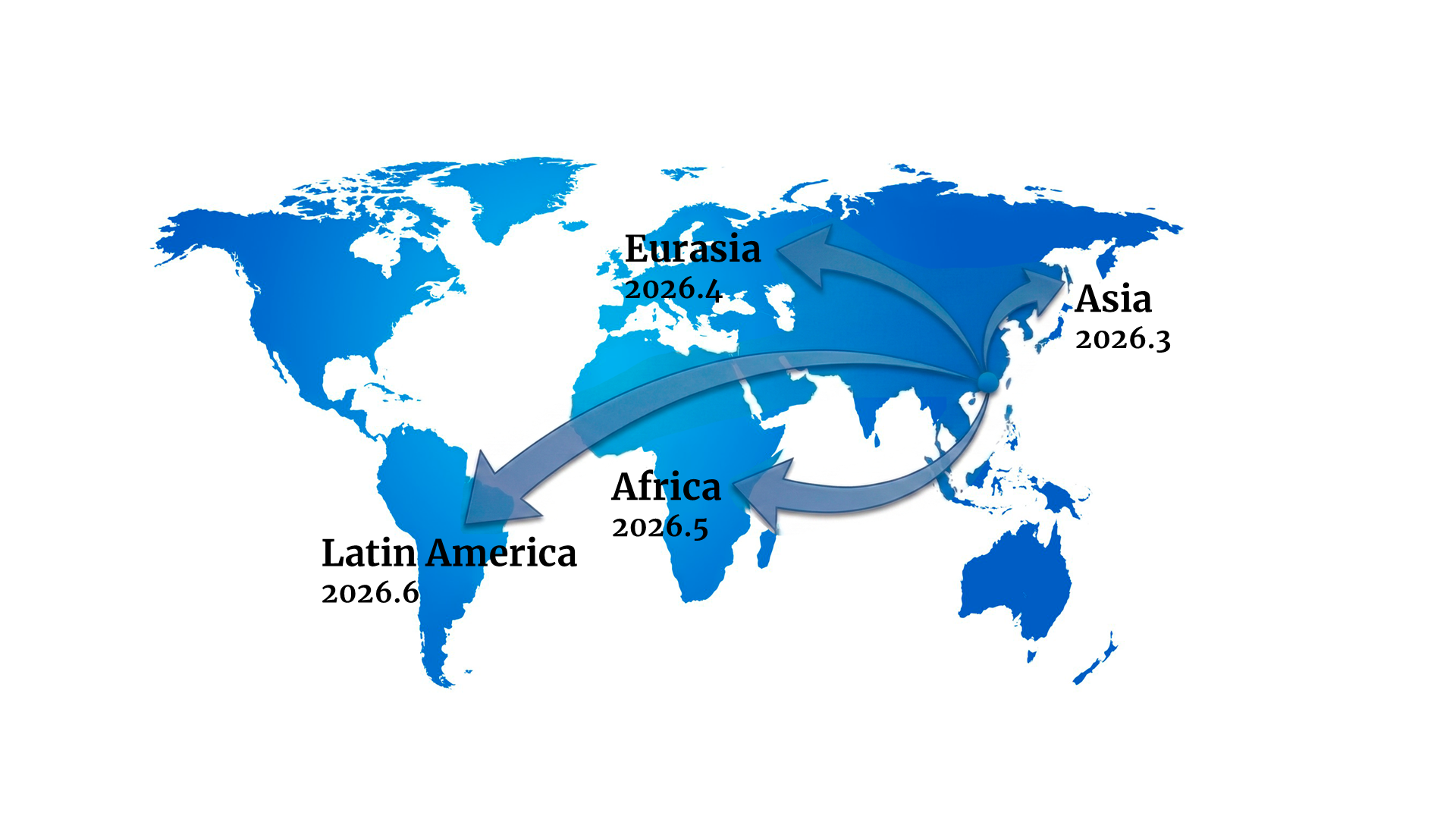
- Eurasia Session
Theme: Cybersecurity, Information Geopolitics, and Digital Sovereignty
Core Topics:
- To analyze the core connotations of “sovereign AI” and “digital sovereignty” from a Eurasian perspective
- To interpret the main characteristics of Russia’s information security governance and Eurasian cybersecurity in 2025
- To analyze the emerging dynamics of competition in cyberspace and information space across the Eurasian region with cases of Sino-Russian cooperation
- To explore the practical constraints facing Eurasian states in their choices of digital infrastructure and platforms against the backdrop of sanctions and decoupling
- To discuss the key risks and policy trajectories surrounding Eurasian digital sovereignty over the coming years
Experts to Be Invited:
- Elena Zinovieva: Professor and Deputy Director at the Center for International Information Security and Scientific and Technological Politics, MGIMO University (Russia); Guest Editor, AI & Innovation (AI2)
- Lin Ying: Assistant Research Fellow, Institute of Russian, Eastern European and Central Asian Studies, Chinese Academy of Social Sciences (China)
- Xiong Jie: Secretary‑General, Global South Academic Forum; Director, Global South Research Center, East China Normal University (China)
- Xiao Yu: Executive Secretary-General, IDEAS-BRICS; Executive Editor-in-Chief, AI & Innovation (AI2)
Moderator:
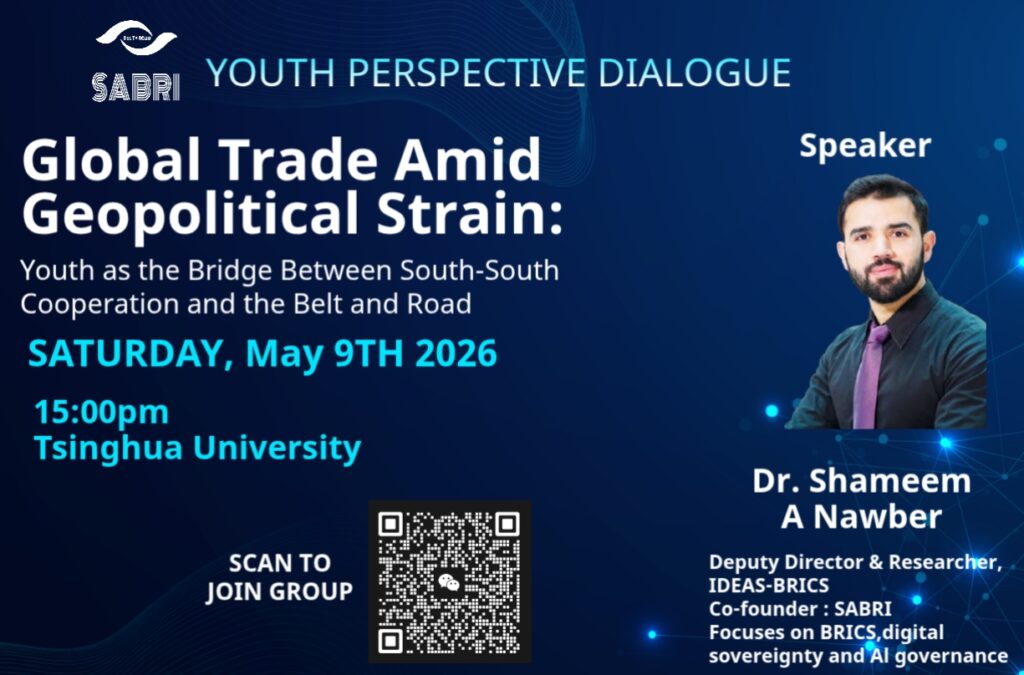
- Shameem A. Nawber: Deputy Director & Researcher, IDEAS-BRICS; Associate Editor, AI & Innovation (AI2)

 By WanyuLiao

No comment yet, add your voice below!